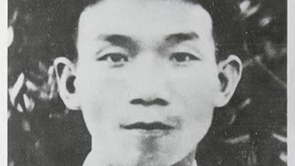
Yu Dafu
郁达夫
- 分类: 语言文学
- ID: 1867432941243383809
Home CategoryLiteratureYu DafuPlay5.5 minsYu Dafu, born on December 7, 1896, in Fuyang, Zhejiang, China, was a significant literary figure influenced by China's political and social turmoil. After facing financial hardships due to his father's early death, he pursued education at Hangzhou High School and later studied economics at Tokyo Imperial University in Japan.ShareCatalogue1. Early Life and Education2. Literary Career and Themes3. Influence4. Later Life and Death5. Cultural and Historical Context
Early Life and Education
Yu Dafu was born on December 7, 1896, in Fuyang, Zhejiang province, China. He grew up in a time when China was experiencing significant political and social turmoil, which heavily influenced his later works. Yu's father died when he was young, which led to financial difficulties for his family. Despite these hardships, he was able to pursue education and eventually enrolled at Hangzhou High School. Later, he moved to Japan for further studies, where he attended the Tokyo Imperial University, focusing on economics.
Literary Career and Themes
Yu Dafu is renowned as a prominent Chinese writer of the early 20th century, known for his impactful prose and poetry. His experiences in Japan and the socio-political conditions of China deeply shaped his literary voice. Yu's writings often explored themes of alienation, despair, and the struggles of the intellectual class in China. His most notable work Sinking, published in 1921, is recognized for its deep introspection and exploration of national identity. Yu's writing style is characterized by its introspective nature and vivid descriptions of emotions and scenery, often reflecting his own life experiences and the broader socio-cultural context of China during his time.
Autumn in the Ancient Capital
One of Yu Dafu's renowned works focused on the theme of autumn is Autumn in the Ancient Capital. This non-fiction piece provides a personal narrative of Yu Dafu's perspective on autumn in China, particularly capturing the essence of Beijing during this season. The work is celebrated for its colorful and evocative descriptions of nature and weather, highlighting Yu's ability to transport readers into a landscape of cooling winds and falling leaves. His affinity for the autumns in Beijing is evident through his descriptions of sweet rains, cool winds, and the serene sounds of nature, creating a bond between the observer and the environment. Yu's reflections on autumn extend beyond natural beauty to include the culinary delights of the season, such as wine and steamed buns, which add depth to his portrayal of autumnal life.
She is a Weak Woman
Yu Dafu completed the short story She is a Weak Woman in 1932. The narrative revolves around the tragic life of a young woman named Zheng Xiuyue, which reflects the societal realities and the status of women in 1920s China. The story is noted for its poignant examination of gender roles and societal expectations, providing a critique of the patriarchal society of the time. The manuscript of this novel, spanning 154 pages and originally written in ink, was later auctioned, with proceeds benefiting the Yu Dafu Research Society. This piece provides valuable insight into Yu's writing process, with visible corrections in red ink offering clues to his literary style.
Influence
Yu Dafu's impact on Chinese literature is profound, with his works continuing to be studied and appreciated for their emotional depth and cultural critique. He was part of the New Literature Movement, which sought to modernize Chinese literature by incorporating Western literary techniques and addressing contemporary issues. Yu's legacy extends beyond his writings, as he influenced subsequent generations of writers who grappled with themes of identity, modernization, and personal freedom. His contributions to Chinese literature are commemorated through various cultural and academic initiatives, ensuring that his voice remains a vital part of China's literary heritage.
Later Life and Death
Yu Dafu's later life was marked by continued political upheaval in China. During China's War of Resistance Against Japanese Aggression (1937-45), he was involved in cultural activities and efforts to promote Chinese nationalism. However, his life was tragically cut short in 1945 under mysterious circumstances while he was in Indonesia. His death remains a topic of speculation and intrigue, adding a layer of mystery to his already complex persona. Despite his untimely demise, Yu Dafu's works endure, serving as a testament to his literary genius and his role as a chronicler of the human condition in a rapidly changing world.
Cultural and Historical Context
Yu Dafu's works must be understood within the broader cultural and historical context of early 20th-century China. This period was characterized by the fall of the Qing Dynasty (1644-1911), the rise of the Republic of China, and the increasing influence of Western ideas. Intellectuals like Yu were at the forefront of a cultural renaissance, advocating for reform and modernization while grappling with the tensions between tradition and progress. Yu's writings encapsulate the anxieties and aspirations of his generation, offering insight into the complexities of Chinese society during a pivotal era of transformation. Article reference1. Popular author's manuscript to be auctioned. chinadaily.com.cn. 20192. An unquenchable thirst for autumn: Yu Dafu’s short story on the upcoming season. chinadaily.com.cn. 2017Photo Gallery(2 pictures)CategoriesLiteratureTagModern and Contemporary LiteratureLiterary FiguresLiterary MastersCatalogue1. Early Life and Education2. Literary Career and Themes3. Influence4. Later Life and Death5. Cultural and Historical Context- - - []








